
30 minutes
20 servings
Easy
CALORIES (PER SERVING)
150 kcal
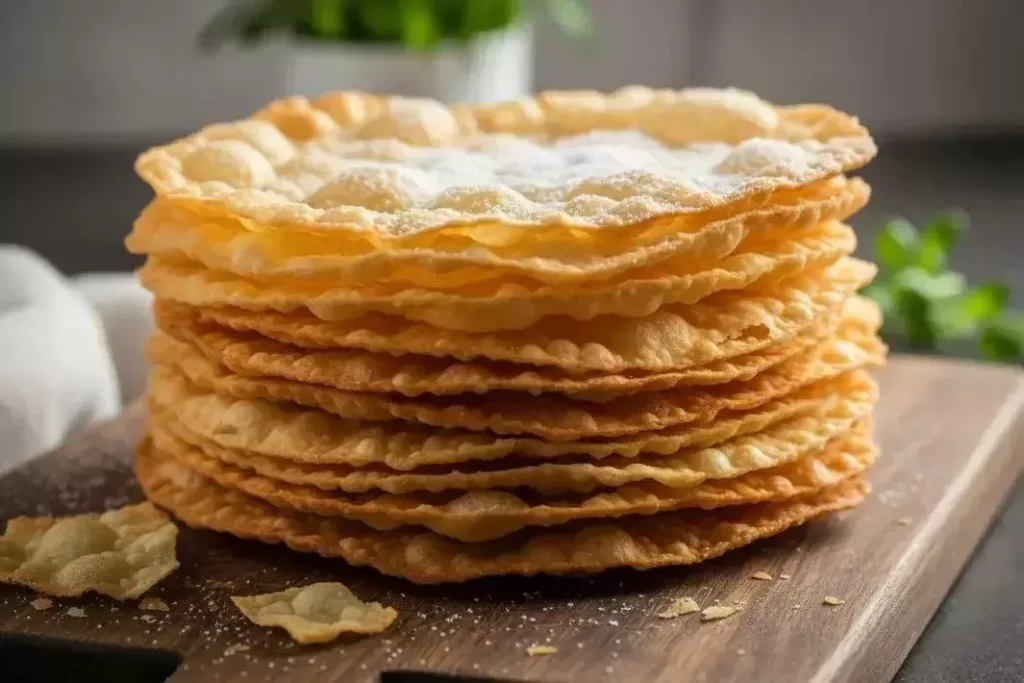
Pastel Dough – Today we’re going to prepare crispy and versatile pastel dough, ready in 30 minutes to yield 20 light and elastic units. Ideal for savory fillings in quick snacks or homemade parties, with perfect texture when frying or baking. How about surprising everyone now?
Ingredients for Pastel Dough
- 1 kg of all-purpose flour (000) – Forms the main structure of the dough, ensuring elasticity and crispiness when frying.
Tip: Use common all-purpose flour or sift it for a finer texture. - 400 ml of warm water (about 40°C) – Hydrates the flour, forming a smooth dough without lumps.
Substitution: Milk for richer and softer dough, or sparkling water for extra bubbles. - 2 tablespoons of salt (30 g) – Enhances flavor and strengthens the dough’s gluten.
- 4 tablespoons of vegetable oil (60 ml) – Adds pliability and helps keep the dough moist.
Substitution: Olive oil for more intense flavor or melted butter. - 1 whole egg (optional, 50 g) – Makes the dough richer and more golden, ideal for fried pastries.
Utensils for Making Pastel Dough
Having all the utensils organized before starting makes preparing the pastel dough easier, avoiding interruptions and ensuring a smooth flow in mixing and rolling out the dough.
- Large bowl
- Whisk or wooden spoon
- Floured surface
- Rolling pin
- Sharp knife or dough cutter
- Plastic wrap
How to Make Pastel Dough
- Prepare the liquids: In a large bowl, dissolve the salt in warm water (about 40°C). Add the vegetable oil and egg (if using), stirring well with a whisk or wooden spoon until homogeneous. This step ensures the flour absorbs the liquids evenly, avoiding lumps in the pastel dough.
- Incorporate the flour: Add the all-purpose flour gradually over the liquids, mixing with your hands or a spoon until a moist dough forms. Transfer to a floured surface and knead for 5-7 minutes until you get a smooth, elastic dough that doesn’t stick to your hands. The gluten develops here, providing crispiness when frying.
- Dough rest: Form a ball with the dough, cover with plastic wrap, and let it rest at room temperature for 20-30 minutes. This relaxes the gluten, making it easier to roll out without shrinking and ensuring pliable pastries.
- Roll out the dough: Divide the dough into smaller portions. Roll each one out with a rolling pin until very thin (about 2 mm thick). Cut into 10-15 cm diameter disks using a knife or cutter. Sprinkle flour if necessary to prevent sticking. Thin dough results in crispy pastries on the outside and light on the inside.
- Fill and seal (optional now): Place filling in the center of each disk, moisten the edges with water, and close by folding in half, pressing the edges well to seal. Use a fork to reinforce and create the classic pastel finish.
Nutritional Information for Pastel Dough
The values below are approximate estimates per serving, calculated based on official food composition tables (such as TACO/TBCA/USDA) and may vary depending on the ingredients used.
| Nutrient | Amount per serving | % DV* |
|---|---|---|
| Calories | 150 kcal | 8% |
| Carbohydrates | 30 g | 13% |
| Proteins | 5 g | 10% |
| Total fats | 2 g | 4% |
Macronutrient distribution per serving
Tips for Perfect Pastel Dough

These special tips will ensure your pastel dough is crispy on the outside, soft on the inside, and perfect for frying or baking, avoiding common beginner mistakes and elevating the result to professional level.
- Use warm water (40°C): The ideal temperature activates the gluten without killing it, resulting in elastic dough. Cold water makes it tough; hot water cooks the flour.
- Common mistake – over-kneading: Knead only until smooth (5-7 min). Excess develops too much gluten, making the dough tough and overly elastic for filling.
- Mandatory rest of 20-30 min: Relax the gluten covered with plastic wrap. Without it, the dough shrinks when rolling out, forming thick and non-crispy pastries.
- Roll thin (1-2 mm): Perfect thickness for quick golden crust and light interior. Thick absorbs oil; thin breaks easily – measure with a ruler.
- Moisten edges to seal: Water on the edges before closing prevents opening during frying, filling leakage, and loss of crispiness.
- Fry in very hot oil (170-180°C): Even gold in 2-3 min per side. Cold makes it soggy; too hot burns outside and raw inside – test with a small piece.
- Don’t sprinkle extra flour when rolling: Little keeps it pliable. Excess dries it out and causes breaking when frying, losing the ideal dough texture.
Variations of Pastel Dough
The versatile base pastel dough allows various adaptations for specific diets, alternative preparation methods, or innovative flavors, maintaining the characteristic crispiness without changing the main recipe.
- Oven-baked pastel dough: Brush with olive oil and bake at 200°C for 15-20 min. It gets crispy without oil – ideal for lighter versions. Check out our Easy Crispy Oven Pastel.
- Healthy whole grain version: Replace half the flour with whole wheat or oat flour. Add flaxseeds for extra fiber, perfect for nutritious snacks.
- Gluten-free dough: Use rice flour + potato starch (2:1) + xanthan gum (1 tsp). Extra hydration with plant milk for similar elasticity.
- Herb-flavored dough: Add garlic powder, oregano, or chopped chives to the dough. Excellent for cheese or pizza pastries – vary classic fillings.
- Low-carb keto version: Replace flour with almond flour + psyllium (1:1). Denser, but crispy in air fryer – similar yield in smaller portions.
- Dough for croquette or pie: Roll thicker (4 mm) and cut into squares. Fill and close – perfect base for party appetizers, like in our Creamy and Flavorful Chicken Croquette.
Ingredient Tips for Pastel Dough
Choosing fresh and quality ingredients is essential for crispy and flavorful pastel dough. Fine all-purpose flour ensures light texture, while warm water optimizes hydration. Substitutions like whole wheat flour add fiber, making it more nutritious without losing pliability, ideal for those seeking balance between pleasure and health.
In the nutritional profile, the recipe yields about 20 servings focused on energy carbohydrates (from the flour), low fat (from minimal oil), and moderate proteins. It’s a versatile base for protein fillings, elevating the meal’s complete value. Prioritize organics when possible to maximize benefits.
- All-purpose flour: Choose fine (type 000 or common sifted) for superior crispiness. Whole wheat replaces 50% for +fiber and prolonged satiety.
- Warm water: 40°C naturally activates gluten. Plant milk (almond) for lactose-free version, adding subtle creaminess.
- Oil: Neutral preserves flavor. Extra virgin olive oil elevates Mediterranean aroma, but use in moderation to avoid hardening.
- General nutritional benefit: Low in saturated fats, rich in complex carbohydrates from flour – great base for daily energy snacks.
Storage and Preservation
Prepared dough lasts 2 days in the fridge wrapped in plastic wrap, maintaining elasticity. Freeze in flat portions for up to 3 months – thaw in the fridge overnight. Fill and fry/bake directly, without pre-heating to avoid drying out. Avoid freezing if adding egg, as it alters texture.
Did you like this recipe?
If you liked it, share it with your friends and family!
Now that you’ve mastered this crispy and versatile pastel dough, serve it hot with spicy or sour sauces to enhance the flavor. Fill with cheese, meat, or fresh vegetables and surprise the family in the afternoon snack or at lively parties. Yields about 20 units in just 30 minutes, perfect for unforgettable sharing.
This homemade recipe elevates any occasion, whether an outdoor picnic or a gathering with friends. With light and golden texture on the outside, it captures the spirit of Brazilian fairs, ensuring success every time you repeat it. Try it and feel the pride of impeccable preparation!
For a complete party, combine with our Creamy and Flavorful Chicken Croquette for Parties, which shares the perfect crispiness and complements savory fillings harmoniously.
If you prefer baked options, the Easy Crispy and Delicious Oven Pastel uses a similar base, adding lightness without oil, ideal for varying the menu without straying from tradition.
FAQ – Frequently Asked Questions about Pastel Dough
Can I substitute all-purpose flour with another flour?
Yes, replace half with whole wheat flour for more fiber, maintaining the crispy texture. For gluten-free version, use rice flour with potato starch in 2:1 ratio and add 1 teaspoon of xanthan gum. Adjust water gradually to avoid dry dough.
How do I know if the dough is ready to roll out?
The dough is ready when it’s smooth, elastic, and doesn’t stick to hands after kneading for 5-7 minutes. Test by stretching: it should form a thin membrane without breaking. If it tears easily, knead more; if it shrinks a lot, let it rest extra 10 minutes.
Can I prepare the dough in advance? How long does it last?
Yes, prepare up to 2 days in advance and store in the fridge wrapped in plastic wrap. Lasts 3 months frozen in flat portions. Thaw in the fridge for 8 hours before using, without quality loss.
Why did my pastel dough turn out tough or too elastic?
Usually due to over-kneading, developing too much gluten. Knead only as needed until smooth and always rest 20-30 minutes. Very hot water also toughens it – always use warm at 40°C for ideal hydration.
How many servings does the recipe yield and can I double it?
Yields about 20 individual pastries in 30 minutes. Double the quantities proportionally without changing the process; preparation time increases little. Perfect for parties, maintaining 150 kcal per base serving.
Do I need to fry or can I bake the pastel dough?
You can bake by brushing with olive oil at 200°C for 15-20 minutes for healthy crispiness without oil. Fry in hot oil (170-180°C) for 2-3 minutes per side for perfect golden. Both options work well with various fillings.

- Juicy Bauru Sandwich with Homemade Roast Beef - 17 de March de 2026
- Refreshing Flavored Water with Fruits and Herbs - 17 de March de 2026
- Creamy and Easy Classic Can Mousse - 11 de March de 2026