
110 minutes
10 servings
Easy
CALORIES (PER SERVING)
350 kcal
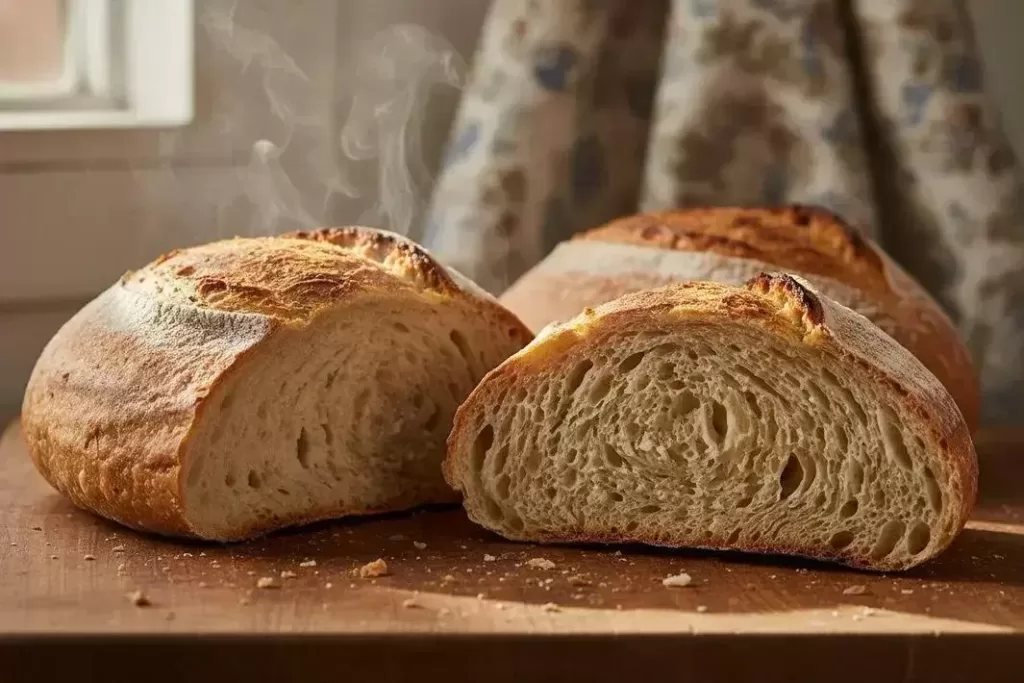
Few things surpass the welcoming aroma of **Homemade Bread** fresh out of the oven, evoking memories of home and family comfort. This classic **Homemade Bread** recipe is simple, yields 10 servings in 110 minutes, and results in fluffy breads ideal for breakfast.
Homemade Bread – Prepare fluffy and irresistible homemade bread with wheat flour, eggs, sugar, cream, oil, and milk, in just 110 minutes for 10 juicy servings. Crispy crust hides a soft crumb that fills the house with a welcoming aroma. Perfect for family breakfast. How about baking now?
Ingredients for Homemade Bread
- 1 kg of wheat flour – Main base that gives structure and fluffy texture to homemade bread.
- 3 eggs – Add moisture and softness to the dough, helping with rising.
Tip: Use eggs at room temperature for better incorporation. - 3 tablespoons of sugar (45 g) – Enhances the flavor subtly and activates the yeast.
- 2 teaspoons of salt (10 g) – Balances the flavors and strengthens the flour’s gluten.
- 1 can of cream (200 g) – Provides creaminess and extra softness to homemade bread.
- 4 tablespoons of oil (60 ml) – Keeps the dough moist and makes kneading easier.
Substitution: Melted butter or olive oil. - 1.5 cups of whole warm milk (360 ml) – Hydrates the dough and dissolves the yeast for ideal fermentation.
- 3 fresh yeast cakes (45 g total) – Responsible for the rising and characteristic aroma of homemade bread.
Substitution: 15 g of dry yeast (equivalent to 45 g fresh).
Utensils for Making Homemade Bread
Preparing the utensils in advance avoids interruptions during the preparation of homemade bread, ensuring a smooth recipe flow and a perfect result.
- Large bowl or basin
- Wooden spoon or spatula
- Clean surface for kneading (floured countertop)
- 2 English cake pans (26 x 10 x 7 cm)
- Oven
How to Make Homemade Bread
- Prepare the dry base: In a wide bowl, place 1 kg of wheat flour forming a central well. Add the 3 eggs, 3 tablespoons of sugar, 2 teaspoons of salt, 1 can of cream, and 4 tablespoons of oil. Mix everything evenly with your hands or a wooden spoon until it forms a moist crumb, incorporating the ingredients well to ensure flavor balance from the start.
- Incorporate the activated yeast: Dissolve the 3 yeast cakes (45 g) in the warm milk from 1.5 cups. Add to the previous mixture and work the dough vigorously, kneading for exactly 10 minutes on a floured surface. This kneading develops the essential gluten for the elasticity and lightness of homemade bread, resulting in a soft and smooth texture to the touch – don’t skip this step to avoid compromising the rise.
- Ferment the dough: Cover the dough and let it rest in a sheltered place for 30 minutes until it doubles in volume, indicating active fermentation. Divide into two equal parts, shape gently, and place in the 2 English cake pans (26 x 10 x 7 cm) greased and floured. Rest for another 30 minutes for the second fermentation, allowing homemade bread to gain even volume before the oven.
- Bake until golden: Preheat the oven to 180°C (medium) and bake the pans for 40 minutes, or until the crust is golden and the bread releases from the edges – test with a toothpick that should come out clean. Unmold while still hot onto a rack to cool, preserving the external crunchiness and internal fluffiness characteristic of perfect homemade bread for 10 servings in a total of 110 minutes.
Nutritional Information for Homemade Bread
The values below are approximate estimates per serving (about 80g), calculated based on official food composition tables (such as TBCA/TACO and USDA FoodData Central) and may vary depending on the ingredients used and preparation methods.
| Nutrient | Amount per serving | % DV* |
|---|---|---|
| Calories | 350 kcal | 18% |
| Carbohydrates | 55 g | 18% |
| Proteins | 10 g | 20% |
| Total fats | 10 g | 15% |
| Saturated fats | 4 g | 20% |
| Dietary fibers | 2 g | 7% |
Macronutrient distribution per serving
Data source: Values calculated based on recipe quantities, using the Brazilian Food Composition Table (TBCA) for wheat flour, milk, and cream, and USDA FoodData Central for eggs and yeast.
TBCA, USDA. *% Daily Values for a 2000 kcal diet.
Tips for Perfect Homemade Bread
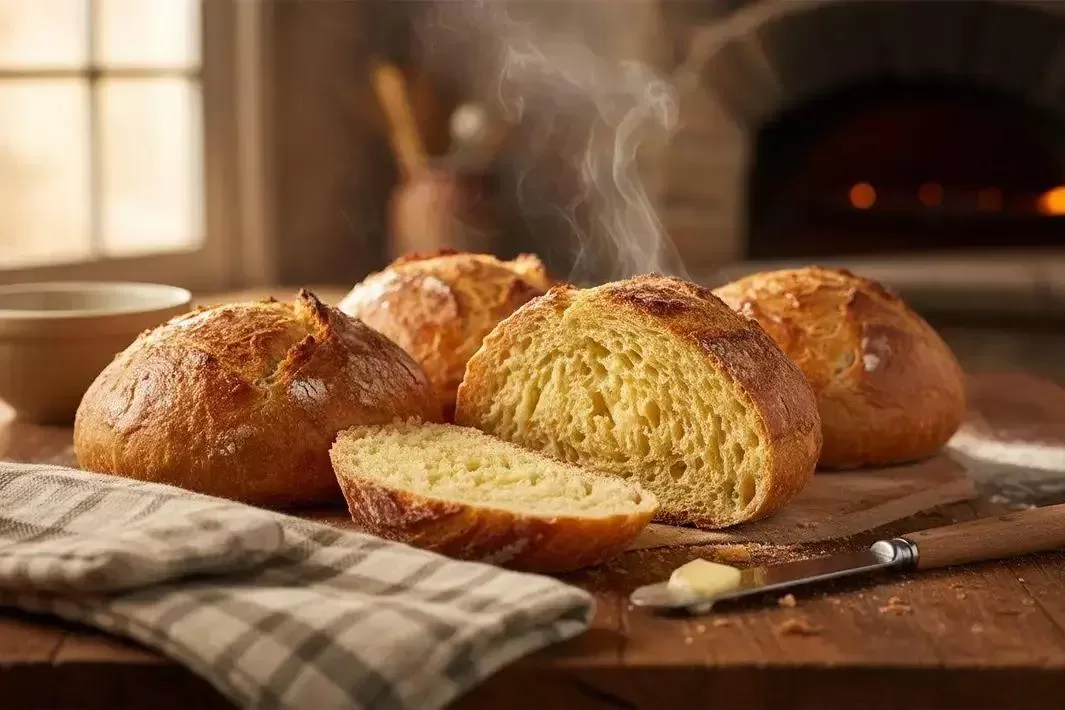
These special tips reveal the secrets to always fluffy and golden homemade bread, avoiding common mistakes and ensuring success on the first try with simple ingredients.
- Knead vigorously for exactly 10 minutes: Kneading activates the flour’s gluten, creating elasticity that retains yeast gases – smooth and non-sticky dough indicates the ideal point for even rising.
- Warm yeast, never hot: Dissolve in milk at 37-40°C; temperatures above 45°C kill the yeast, preventing active leavening and resulting in dense bread without volume.
- Eggs at room temperature: Remove from the fridge 30 minutes before for better emulsion with fats, promoting airy dough and softer homemade bread inside.
- Preheated oven at 180°C mandatory: Immediate heat accelerates final fermentation, forming a crispy crust; a cold oven makes bread dry and deflated due to slow cooking.
- Flour gradually during kneading: Add only if the dough sticks too much, maintaining hydration for a moist interior – excess hardens homemade bread.
- Avoid drafts during fermentation: Cover with a damp cloth in a warm place (25-30°C); cold currents stop rising, resulting in low and compact bread.
- Toothpick doneness test: Insert in the center after 40 minutes; comes out clean and bread releases from edges confirms perfect point, avoiding under or overcooking.
Homemade Bread Variations
The versatile homemade bread dough allows creative adaptations while maintaining its characteristic fluffiness, ideal for different occasions or dietary preferences without changing times or total servings.
- Mini Homemade Bread: Divide into small balls to bake in muffin tins, perfect for quick snacks or parties, with the same rising for fluffy rolls in 95 minutes.
- Whole Wheat Homemade Bread: Replace half the flour with whole wheat and oats, adding seeds for a fibrous and nutritious version, ideal for healthy diets without changing kneading or oven.
- Onion Homemade Bread: Incorporate caramelized onion into the dough for a sweet-spicy flavor, great for sandwiches, keeping the cream for familiar creaminess.
- Italian Filled Homemade Bread: Fill with cheese and herbs before the second rising for a flavor explosion, baking until golden as in the base recipe.
- Carrot Homemade Bread: Grate fine carrot into the moist dough for extra moisture and vibrant color, a nutritious vegetable version for light breakfast.
- Lactose-Free Homemade Bread: Use plant-based milk instead of whole and plant-based cream, preserving soft texture for intolerants, without impact on the 110-minute time.
Ingredient Tips for Homemade Bread
Choose fresh wheat flour with adequate proteins to form strong gluten, essential to homemade bread’s structure; prefer fresh yeast stored refrigerated for vigorous action. Replace cream with natural yogurt in light versions, maintaining creaminess. Whole milk hydrates ideally, but lactose-free plant-based works well, adjusting quantity for similar texture.
Nutritionally, it balances energetic carbohydrates from flour with proteins from eggs and milk, fats from oil and cream promoting satiety – a moderate serving contributes to a balanced diet rich in B vitamins from yeast.
- Wheat flour: Choose type 1 or 0 for elastic gluten that supports rising, avoiding weak flours that cause the dough to sink.
- Milk and cream: Provide lactose and fats for extreme softness, sources of calcium; opt for whole for greater flavor.
- Eggs: Bind the dough with lecithin, adding high biological value proteins and choline for brain health.
- Fresh yeast: Produces CO2 for volume, rich in B1/B2 for energy metabolism; fresh activates faster than dry.
Storage and Conservation
Store homemade bread wrapped in a clean cloth for 2-3 days at room temperature; refrigerate sliced in a plastic bag for up to 7 days to avoid drying – reheat in the oven at 150°C for 5 minutes to restore crunchiness. Freeze individual slices for up to 1 month, thaw at room temperature and toast for freshness like freshly baked, preserving the fluffiness of the 10 servings for up to 110 minutes total.
Now that your homemade bread is ready, sliced and exuding that irresistible aroma, serve it still warm with melted butter, fresh cheese, or homemade jam. Perfect for family breakfast or a cozy afternoon snack, it yields 10 generous servings in just 110 minutes, filling the house with comfort and authentic flavor.
Imagine the crispy crust yielding to the fluffy crumb, ideal for quick lunch sandwiches or simple supper. With this foolproof recipe, you gain confidence to repeat it always, adapting for special moments like lazy weekends or unexpected visits.
For a complete meal, try our Easy and Crispy Pepperoni Pizza in the Oven: sliced homemade bread becomes the perfect base for this spicy and juicy delight.
Or pair with our Creamy and Easy Ninho Stuffed Oven Pasta, creating a comforting duo of fresh carbs and creamy for dinner.
If you prefer something light, the Crispy and Easy Meat Esfiha harmonizes beautifully, with contrasting textures that elevate any table.
Can I substitute fresh yeast for dry?
Yes, replace the 45 g of fresh yeast with approximately 15 g of dry yeast, activating it beforehand in warm milk. This swap keeps the dough rising identical, as long as you follow the 10-minute kneading. The final result preserves the fluffiness of homemade bread in 110 minutes total for 10 servings.
Why did my bread crack on the surface?
Cracking usually occurs due to inadequate kneading, which develops gluten to retain gases evenly. Knead vigorously for 10 minutes until the dough is smooth and elastic. Also check hydration, adding milk gradually to avoid dry dough that cracks in the 180°C oven.
What is the best flour for making homemade bread?
Prefer type 1 wheat flour for purity and ability to form strong gluten, essential for fluffy breads. Avoid overly refined types if seeking cost-benefit, but adjust kneading to compensate. With 1 kg, you get 10 perfect servings in 110 minutes of preparation.
How long does homemade bread last and how to store it?
At room temperature wrapped in cloth, it lasts 2-3 days maintaining crunchiness; refrigerate sliced in a plastic bag for up to 5 days. Reheat in the oven at 150°C for 5 minutes to restore freshness. Freeze slices for up to 1 month and thaw at room temperature before toasting.
This recipe yields how many servings and can I double it?
Yields exactly 10 generous servings, ideal for family in 110 minutes total. To double, multiply all ingredients by 2, using 4 pans or baking in batches to keep the oven at 180°C stable. The dough rises the same, without changing fermentation times.
Can I make a lactose-free version of homemade bread?
Yes, use plant-based milk and plant-based cream in the same quantities of 360 ml and 200 g. The dough maintains creaminess and softness with the identical 10-minute kneading. Bake for 40 minutes at 180°C for fluffy results accessible to intolerants, yielding 10 servings.
Did you like this recipe?
If you liked it, share it with your friends and family!

- Juicy Bauru Sandwich with Homemade Roast Beef - 17 de March de 2026
- Refreshing Flavored Water with Fruits and Herbs - 17 de March de 2026
- Creamy and Easy Classic Can Mousse - 11 de March de 2026