
300 minutes
16 servings
Easy
CALORIES (PER SERVING)
350 kcal
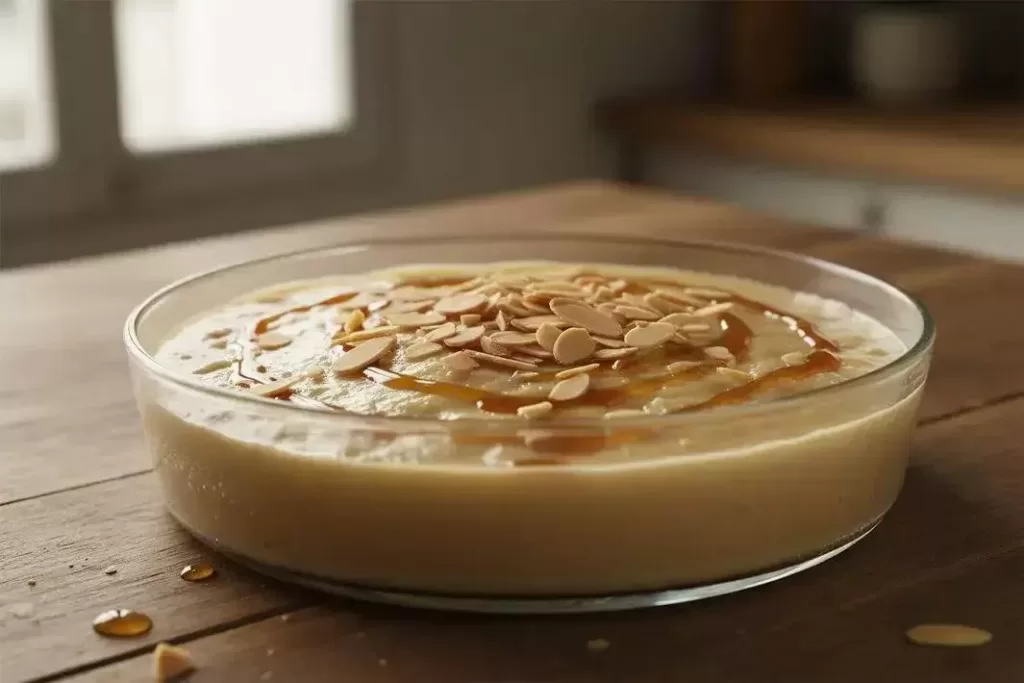
The Portuguese Bread Manjar evokes memories of traditional parties, with its smooth cream and coconut aroma that fills the house with coziness. This classic dessert, created by Luke, is perfect for those seeking an authentic and comforting sweet. Prepare in 300 minutes for 16 servings, ideal for sharing in special moments. Discover how to make Portuguese Bread Manjar with simple steps and accessible ingredients.
Portuguese Bread Manjar – Get ready to make this traditional creamy and easy dessert, with smooth layers of bread cream and coconut that yield 16 servings in 300 minutes. Ideal for parties or afternoon tea, it enchants with its velvety texture. How about surprising everyone today?
Ingredients for Portuguese Bread Manjar
- 7 slices of sandwich bread (120g) – Main base that absorbs the liquids and gives structure to the manjar cream.
Tip: Use crustless white bread for better texture. - 1 cup (tea) of water (240ml) – Used to cook the sugar and moisten the bread initially.
- 1 and ½ cups (tea) of refined sugar (300g) – Sweet syrup that binds the ingredients and enhances the traditional flavor.
- 4 egg yolks – Add creaminess and richness to the bread cream, preventing it from drying out.
Substitution: Use 2 whole eggs for a simpler version. - ½ cup (tea) of corn starch (60g) – Essential thickener for the coconut cream to become firm and soft.
- ½ can of condensed milk (395g per can, use 197g) – Provides concentrated sweetness and velvety texture to the cream.
- 2 cups (tea) of whole milk (480ml) – Provides creaminess and dilutes the flavors in the coconut cream.
- 1 bottle of coconut milk (200ml) – Key ingredient for the tropical flavor and authentic aroma of the manjar.
Substitution: Coconut water with grated coconut blended for a homemade version. - ½ cup (tea) of chopped almonds or slivers for decoration (50g) – Finishes the dish with crunchiness and elegant visual.
Utensils for making Portuguese Bread Manjar
Preparing the utensils before starting the Portuguese Bread Manjar ensures a smooth flow in the preparation, avoiding interruptions and maintaining kitchen hygiene. This helps focus on delicate steps, like the precise cooking of the creams, resulting in a perfect dessert.
- Pot
- Spoon
- Ladle
- Bundt pan
How to make Portuguese Bread Manjar
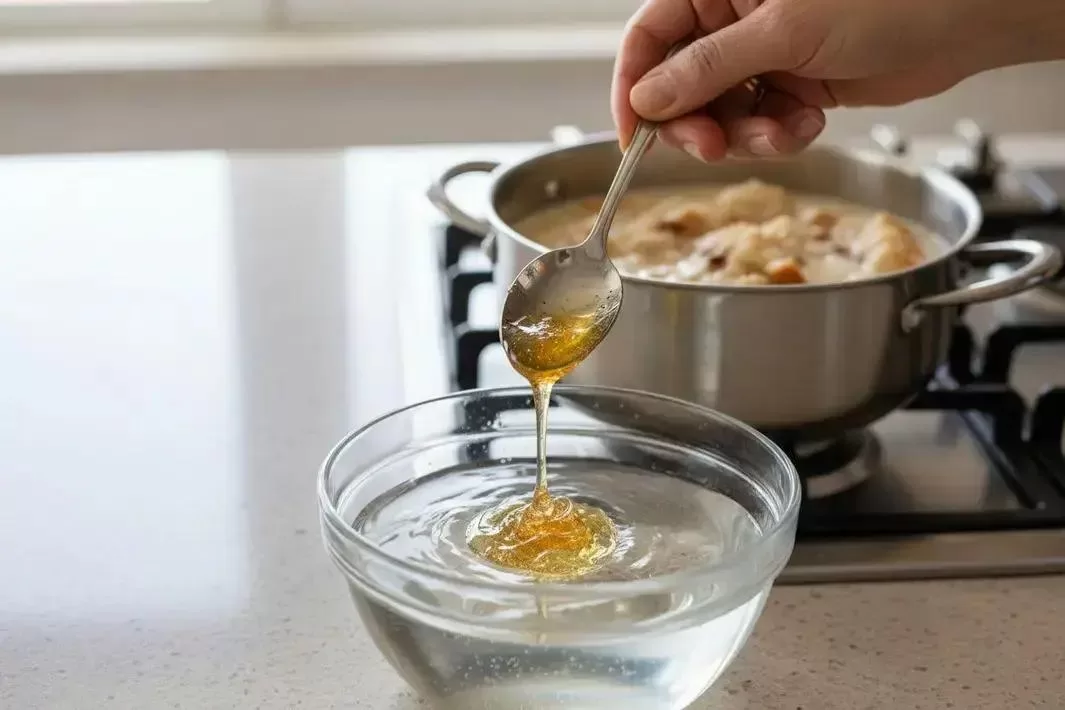
- Prepare the initial syrup: Place the water and sugar in a pot and heat over medium heat. Stir occasionally until it reaches the “weak syrup” stage, which occurs around 100°C – you can test by dropping a bit into cold water to form a short thread. This step creates a sweet base that perfectly hydrates the bread, preventing the manjar from drying out. As soon as it reaches the point, turn off the heat, add the sandwich bread slices, and mix well so they absorb the liquid evenly. Let it rest for a few minutes to soften completely.
- Incorporate the yolks carefully: Take a small portion of the still warm bread syrup and use it to temper the yolks in a separate bowl, beating vigorously – this prevents the eggs from curdling when coming into contact with intense heat. Transfer the tempered mixture back to the main pot and return to low heat. Continue stirring constantly for about 5-7 minutes until it starts to thicken and form a smooth cream. When it bubbles lightly, remove from heat immediately to avoid overcooking, and let it cool to room temperature, about 30 minutes. This technique ensures a creamy texture and avoids lumps in the Portuguese Bread Manjar.
- Make the coconut cream: Dissolve the corn starch in a small amount of cold milk to avoid lumps. In another pot, combine the coconut milk, the remaining milk, and the condensed milk, heating over medium heat until boiling – about 5 minutes, stirring to integrate the flavors. Then add the starch mixture, reducing the heat to low and stirring uninterrupted until the cream thickens, which takes about 3-5 minutes. The ideal consistency is like a light pudding; if it gets too thick, add a little more milk. This layer brings the characteristic tropical aroma to the traditional recipe.
- Assembly and chilling: Lightly grease the bundt pan with neutral oil to facilitate unmolding. Pour the bread cream with yolks first, smoothing with a spatula for an even layer. Then add the coconut cream on top, spreading gently and avoiding air bubbles. Cover the surface directly with plastic wrap to prevent a skin from forming during chilling. Refrigerate for at least 3 hours – ideally overnight for a well-set Portuguese Bread Manjar. When serving, unmold by turning onto a plate and sprinkle the chopped almonds on top for a crunchy and attractive visual touch.
Chef’s secret: Always use low heat after adding the eggs or starch, as excessive heat can curdle the cream, altering the silky texture essential for the dessert’s success.
Nutritional Information for Portuguese Bread Manjar
The values below are approximate estimates per serving, calculated based on official food composition tables (such as TACO/TBCA/USDA) and may vary according to the ingredients used.
| Nutrient | Amount per serving | % DV* |
|---|---|---|
| Calories | 350 kcal | 18% |
| Carbohydrates | 45 g | 15% |
| Proteins | 4 g | 8% |
| Total fats | 12 g | 22% |
Macronutrient distribution per serving
Tips for Perfect Portuguese Bread Manjar
These special tips will ensure your Portuguese Bread Manjar has the perfect creamy texture and balanced flavor, avoiding common mistakes like curdled creams or difficult unmolding. Focus on these details for professional results at home.
- Precise test for weak syrup point: When boiling the water with sugar, use the drop in cold water method – it should form a short and soft thread, not hardened. This around 100°C prevents the cream from becoming too liquid or grainy.
- Yolk tempering mandatory: Always use a warm portion of the syrup to heat the yolks before mixing everything – this cooks the proteins slowly, avoiding cooked pieces that spoil the manjar’s smoothness.
- Avoid high heat after adding yolks: Keep the flame low and stir nonstop for 5 minutes until it boils lightly; strong fire curdles the eggs instantly, leaving the cream with unwanted lumps.
- Cool completely before assembling: Let the bread cream come to room temperature for 30 minutes – residual heat dissolves the top coconut cream, mixing layers prematurely.
- Mix the starch in cold milk first: Always dissolve in cold milk to avoid lumps in the coconut cream; beat vigorously until smooth before adding to the hot pot.
- Chill for at least 3 hours: Do not shorten this time in the refrigerator – layers set properly, facilitating perfect cutting without falling apart.
- Unmold calmly: Run a thin knife around the edges and tilt gently; oil in the pan beforehand ensures easy slide, preserving the beautiful shape of the Portuguese Bread Manjar.
Variations of Portuguese Bread Manjar
The base recipe for Portuguese Bread Manjar is versatile, allowing adaptations that maintain the creamy layers structure while varying flavors and textures. Try these options to surprise on different occasions, always respecting the fundamental cooking and chilling steps.
- Version with tropical fruits: Incorporate pieces of mango or pineapple cooked in the coconut cream, or use as fresh topping along with the almonds – adds a juicy and refreshing contrast to the classic cream.
- Light variation: Replace half the sugar with a natural sweetener like erythritol, use skim milk in the coconut cream and smaller egg yolks – reduces calories while maintaining the sweetness and creaminess of the Portuguese Bread Manjar.
- Vegan adapted: Swap yolks for banana puree or aquafaba whipped to peaks for the bread cream, and use homemade coconut milk without additives – results in a plant-based version with authentic flavor and firm texture.
- With chocolate touch: Add 50g of melted dark chocolate to the coconut cream after thickening – creates a contrasting and indulgent layer, perfect for parties.
- Aromatized with spices: Include cinnamon and clove in the initial syrup for a warm aroma; lemon zest in the bread cream elevates the traditional Portuguese freshness.
Ingredient Tips for Portuguese Bread Manjar
-flame-curved”> Tip
Did you like this recipe?
If you liked it, share it with your friends and family!
Now that your Portuguese Bread Manjar is ready, serve it sliced in generous portions, sprinkled with the almonds for an irresistible crunch. The creamy texture of the bread and coconut cream layers melts in the mouth, ideal for refreshing on hot days or ending a family lunch with elegance.
This classic dessert shines in cozy afternoon teas or party tables, evoking Portuguese traditions with its balanced sweet and coconut flavor. With the simple steps, you can repeat it whenever you want to surprise, adjusting to everyone’s taste.
To pair perfectly, try our Creamy and Easy Plum and Coconut Mousse, which shares the tropical touch and complements with fruity lightness the manjar’s creaminess.
If you prefer something with soft bread as a base, the FAQ