
30 minutes
8 servings
Easy
CALORIES (PER SERVING)
250 kcal
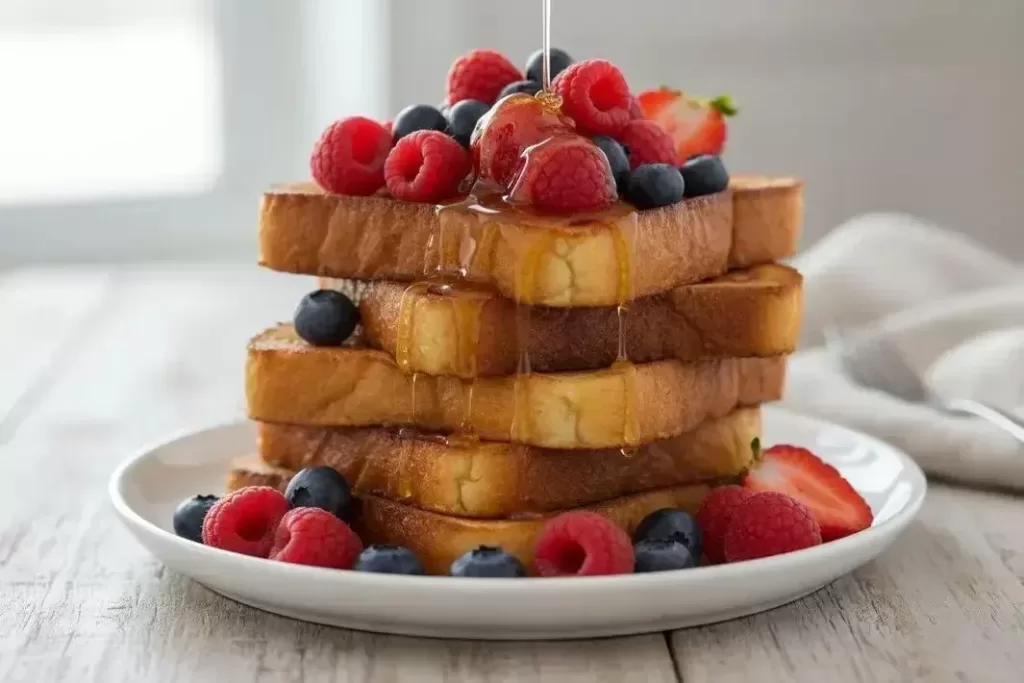
French Toast is that comforting classic that turns a simple breakfast into something special, evoking memories of lazy family weekends. Ready in just 30 minutes and yielding 8 servings, this easy recipe uses day-old bread dipped in a creamy mixture with eggs and milk enriched with cinnamon. Serve with honey and fruits for an irresistible touch.
French Toast – Today we’re making easy and crispy French Toast, with irresistible cinnamon flavor in just 30 minutes for 8 servings. Perfect crunch on the outside, soft inside, and toppings of honey or fruits elevate breakfast. Ready to surprise?
French Toast Ingredients
- 2 eggs – Form the creamy base of the mixture, ensuring internal softness in the French Toast.
Tip: Prefer eggs at room temperature for better incorporation. - 7 tablespoons of chocolate powder with cinnamon (105g) – Adds rich flavor and cinnamon aroma to the infusion.
Substitution: Powdered chocolate with ground cinnamon in a 6:1 ratio. - Half a cup (tea) of whole milk (120ml) – Makes the mixture fluid and nutritious for bread absorption.
Tip: Milk at room temperature prevents butter from hardening. - 8 slices of day-old French or brioche bread in 2cm thick slices – Absorbs the mixture well without falling apart.
Substitution: Thickly sliced sandwich bread also works well. - 2 tablespoons of unsalted butter (30g) – To brown and create crunch on the outside.
Substitution: Coconut oil or olive oil for a lighter version. - Half a tablespoon of sugar (about 8g) – Lightly caramelizes in the pan for extra crunch.
Utensils for making French Toast
Organizing the utensils before starting the French Toast makes the process easier, avoiding interruptions and ensuring everything is ready for a smooth and stress-free execution.
- Medium bowl
- Spoon or whisk
- Oven (optional)
- Large non-stick skillet
- Paper towel
How to make French Toast
- Prepare the base mixture: In a medium bowl, crack the 2 eggs and add 7 tablespoons of chocolate powder with cinnamon, half a cup (tea) of whole milk (120ml), heavy cream and a pinch of vanilla essence. Beat vigorously with a whisk or fork until you get a smooth and homogeneous consistency, without lumps. This step is crucial to distribute the flavors evenly, ensuring each slice of French Toast absorbs the cinnamon aroma perfectly – takes about 1 minute.
- Dip the bread slices: Take the 8 slices of day-old bread cut to 2 cm thick (French or brioche) and dip quickly into the mixture, one at a time. Let absorb for 10-15 seconds on each side, but avoid soaking excessively to prevent falling apart – firm bread helps maintain the crunchy outside and soft inside structure.
- Heat the skillet: In a large non-stick skillet, melt 1 tablespoon of unsalted butter over medium heat (about 160-180°C). Sprinkle half a tablespoon of fine sugar on the melted surface to create a subtle caramelized crust, which enhances the sweetness and crunch of the French Toast – smell the butter and sugar aroma spreading.
- Brown the slices: Place the soaked slices in the hot skillet, as many as fit without overlapping. Cook for 1-2 minutes on the first side until bubbles form and edges are golden; flip carefully and brown the other side for another 1 minute. The first side takes a bit longer to set the perfect crust – remove when crispy and evenly golden.
- Clean and repeat the batch: Remove the ready slices to a plate lined with paper towel to drain excess fat. Gently clean the skillet with a damp paper towel to remove caramelized sugar residue, add more butter and repeat with the remaining slices, keeping the first ones warm in a preheated oven at 100°C if necessary.
- Serve warm: Arrange the French Toasts on plates and immediately top with fresh melting butter, golden honey, vibrant jam, whipped cream, sifted powdered sugar or fresh fruits like strawberries and blueberries. Serve hot for maximum comfort and flavor!
Chef’s secret: Use slightly day-old bread for ideal absorption without sogginess; if fresh, let dry for 1 hour in the open air.
Nutritional Information for French Toast
The values below are approximate estimates per serving (1 slice of French Toast), calculated based on official food composition tables (such as TBCA/TACO and USDA FoodData Central) and may vary depending on the ingredients used and preparation method.
| Nutrient | Amount per serving | % DV* |
|---|---|---|
| Calories | 250 kcal | 13% |
| Carbohydrates | 30 g | 10% |
| Proteins | 7 g | 14% |
| Total fats | 12 g | 22% |
| Saturated fats | 5 g | 25% |
Macronutrient distribution per serving
Data source: Values calculated based on recipe quantities, using the Brazilian Food Composition Table (TBCA) for bread, eggs and milk and the USDA FoodData Central for butter and chocolate powder.
TBCA | USDA. *% Daily Values based on a 2000 kcal diet or equivalent.
Tips for Perfect French Toast
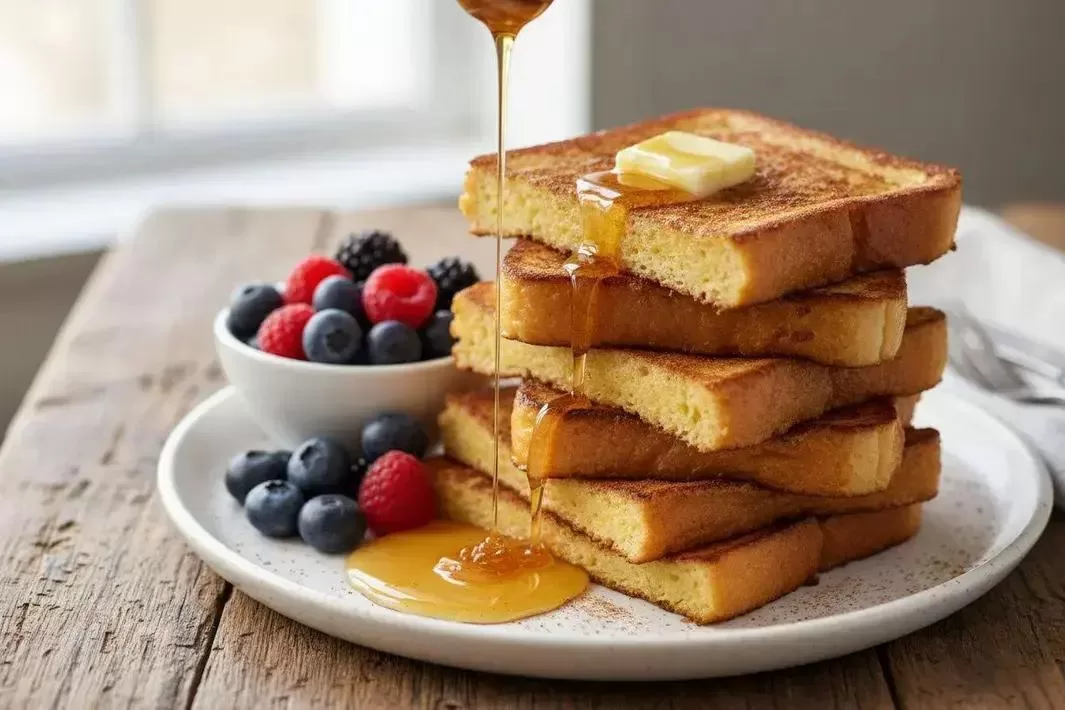
These special tips will ensure your French Toast comes out crispy on the outside, soft on the inside, and with incredible cinnamon flavor in every bite. They are simple tricks to avoid common mistakes and elevate the result to a professional level, making the preparation foolproof even for beginners.
- Choose day-old bread: Fresh bread absorbs too much and falls apart; let French or brioche slices dry for 1 hour in the air or use from the previous day for perfect absorption without sogginess.
- Don’t dip for too long: Avoid the mistake of soaking the bread in the mixture too much – 10-15 seconds per side is enough. Test by lightly squeezing; if liquid comes out, reduce the time further to maintain external crunch.
- Medium heat is essential: High burns before cooking inside, low leaves it soggy. Maintain 160-180°C, watching for bubbles on the edges as a sign of the exact point for even golden browning in 1-2 minutes per side.
- Sprinkle fresh sugar per batch: Half a tablespoon of sugar caramelizes the crust subtly – no old leftovers to avoid bitterness; always clean with paper towel between batches.
- Butter in each round: Melt fresh 1 tablespoon at a time for authentic buttery flavor and perfect golden crust, without sticking.
- Keep warm in the oven: While making extra batches, leave in the oven at 100°C for 2-3 minutes – preserves crunch without drying out before serving.
- Ingredients at room temperature: Cold eggs and milk curdle the butter; leave out for 30 minutes for creamy mixture and ideal absorption.
French Toast Variations
The versatility of French Toast allows for countless adaptations while keeping the simple structure of soaked and grilled bread. Try these variations for different occasions, adjusting base mixture ingredients and toppings, always aiming for flavor and texture balance with crunch on the outside and soft inside.
- Vegan French Toast: Replace eggs with 2 tablespoons of flaxseed flour + 6 tablespoons of water (chia alternative), plant-based milk instead of whole. Keep chocolate powder with cinnamon; results in a light version, perfect for plant-based diets, with similar crunch.
- Fit/Low Carb Version: Use low carb or seed bread (about 50g per slice), unsweetened almond milk and sweetener instead of sugar. Reduces calories by 30%, ideal for healthy breakfast without losing cinnamon flavor.
- Savory French Toast: Omit chocolate powder/sugar; add grated cheese and herbs (parsley, basil) to the mixture. Serve with melted cheese, tomato and crispy bacon – great for brunch or quick snack.
- With Fruit Filling: After soaking, fill bread with cream cheese and sliced strawberries before grilling. Finish with Greek yogurt and honey – elevates French Toast to a refreshing gourmet dessert.
- Gluten-Free Version: Day-old gluten-free bread absorbs well; add xanthan gum (1/2 teaspoon) to the mixture to bind. Crunch preserved, accessible for intolerants.
Ingredient Tips for French Toast
Selecting fresh and good quality ingredients is fundamental for perfect French Toast, ensuring authentic cinnamon flavor and impeccable texture. Prefer natural products without unnecessary additives, and adapt substitutions for dietary restrictions while maintaining balanced nutrition rich in egg proteins and balanced energy from bread carbohydrates.
- Eggs (2 units): Essential protein base for internal creaminess; store in the fridge for prolonged freshness and check expiration for maximum safety when consuming.
- Whole milk (120 ml): Provides gentle hydration; opt for fortified versions with calcium and vitamin D for nutritional boost.
- Chocolate powder with cinnamon (7 tablespoons): Distinctive aroma; choose without excess sugar for balance.
- Unsalted butter (30g): Golden crunch; substitute with coconut oil for vegan or healthier version.
- Nutritional tip – Eggs: Excellent source of complete proteins, choline for healthy brain and vitamin D for strong bones.
- Nutritional tip – Honey (optional topping): Natural sweetener with antioxidants and antimicrobials; use in moderation due to calorie content.
Storage and Conservation
French Toast is best consumed immediately for maximum crunch. In the fridge, store in a covered container for up to 2 days; reheat in oven at 180°C for 3-5 minutes or air fryer to restore texture. Freeze ready slices individually wrapped for up to 1 month; thaw in fridge overnight and toast again. Avoid microwave to prevent sogginess.
Did you like this recipe?
If you liked it, share with your friends and family!
Now that your French Toast is ready, serve it still hot stacked on the plate, drizzled with golden honey or sprinkled with powdered sugar, accompanied by fresh fruits like strawberries and blueberries for a refreshing contrast. It’s the perfect touch to shine at family breakfast or a casual weekend brunch.
This simple recipe transforms basic ingredients into a comforting classic, with irresistible crunch on the outside and soft cinnamon-infused interior. Repeat whenever you need something quick and delicious – it’s foolproof and always surprises with its practicality.
For an even more varied breakfast, try our Crispy Oat Waffle Healthy and Easy, which shares the pleasant texture and can be served alongside as a more nutritious option.
Complete the moment with the Crispy Garlic Bread Easy and Quick to Make, ideal for those seeking a savory contrast and tasty alongside the sweetness of French Toast.
FAQ – Frequently Asked Questions about French Toast
Can I substitute whole milk for another option?
Yes, you can use skim milk or plant-based like almond in the same amount of half a cup of tea to maintain the mixture’s moisture. The plant-based milk version is lighter, ideal for restricted diets, but adjust the chocolate powder to balance the flavor. The result remains creamy and absorbs well into the bread.
How do I know when the slices are ready to flip?
Watch when the edges start to golden and form light bubbles after 1-2 minutes on medium heat, indicating the first side has set the crispy crust. Flip carefully to brown the other side evenly for another 1 minute. If still pale, count another 30 seconds for perfect texture.
Can I prepare French Toast in advance and store it?
Prepare and consume immediately for best crunch, but leftovers last up to 2 days in the fridge in a closed container. Reheat in hot skillet for 1 minute per side or oven at 180°C for 3 minutes. Freeze ready slices for up to 1 month and thaw in fridge before toasting again.
My French Toast turned out soggy instead of crispy. What did I do wrong?
This usually happens from too fresh bread or prolonged dipping in the mixture, which soaks too much. Use 2 cm thick day-old bread and dip only 10-15 seconds per side. Heat the skillet well with fresh butter and sugar to seal the golden crust quickly.
How many people does the recipe serve and can I double the quantities?
Yields 8 servings ideal for family breakfast, ready in 30 minutes total. You can double all ingredients proportionally without changing the method, but use a larger skillet or do in batches to avoid overcrowding. Time per slice remains the same, making larger preparations easy.
Do I need a non-stick skillet or oven for this recipe?
A regular large skillet works well if generously greased with butter, but non-stick makes browning easier without sticking. The oven is optional for keeping batches warm at 100°C; not essential for main preparation. With paper towel for cleaning, any skillet works perfectly.

- Juicy Bauru Sandwich with Homemade Roast Beef - 17 de March de 2026
- Refreshing Flavored Water with Fruits and Herbs - 17 de March de 2026
- Creamy and Easy Classic Can Mousse - 11 de March de 2026